Photo by Kathy Morales on Unsplash
Life is huge and wonderfully complex
April 09, 2023
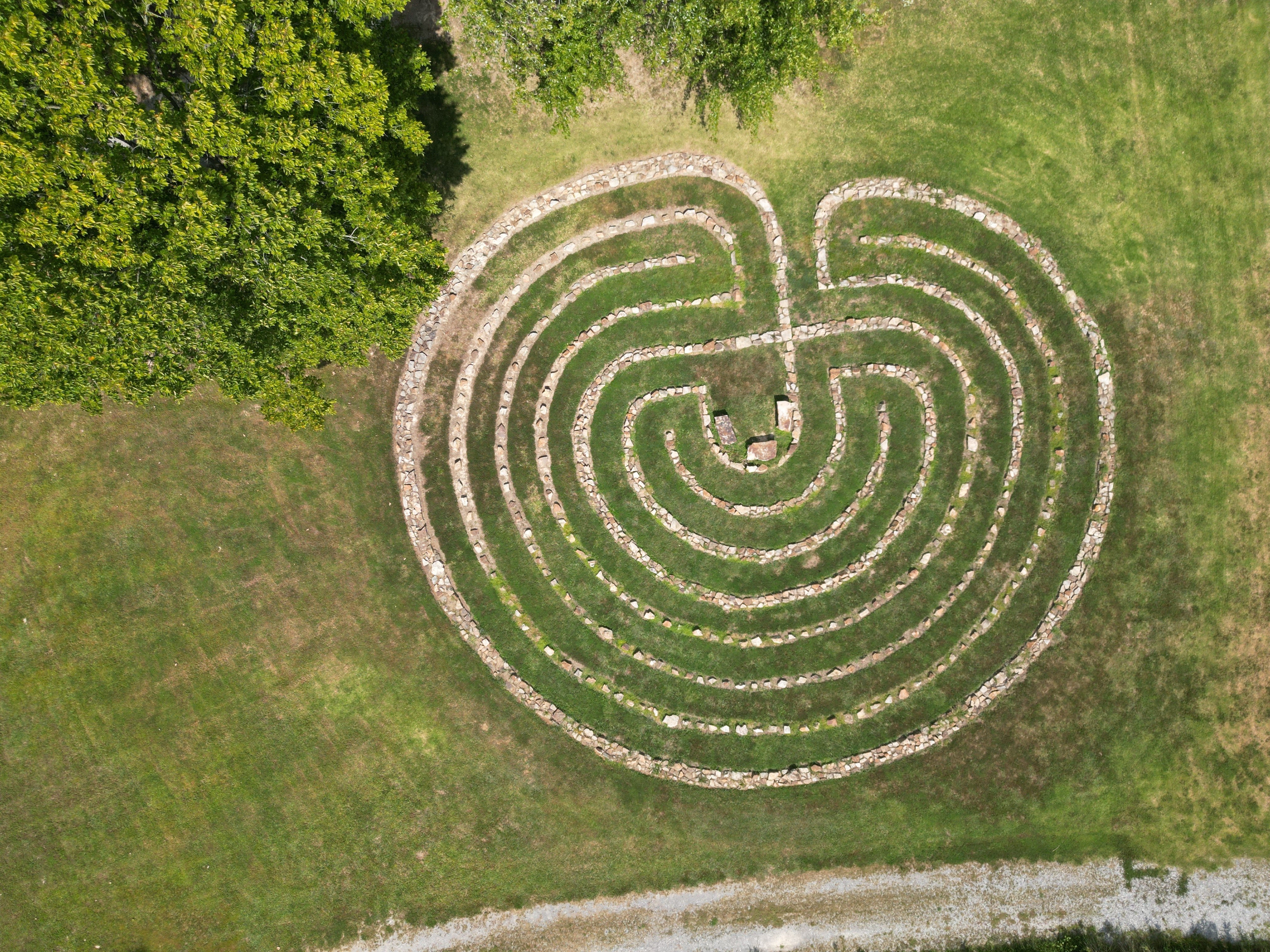
Life is huge and wonderfully complex, it is absolutely vast in the potential routes you can take.
Imagine a game of chess. It sits between you and your opponent ripe with possible games.
You’re white and you need to move first. You have 18 possible moves. You move your King’s pawn forward 2. Your opponent moves and now you have 24 possible moves, some wise, some foolish. There are just under 200,000 possible games of chess within just 2 moves each. Some of those games would just be silly, but if we look at the number of possible practical games, and let's assume that each player plays about 40 moves each this gives us about 1 0000000000 0000000000 0000000000 0000000000 possible games.
Wow.
Chess is an amazing game, but it’s only got 6 different types of pieces and each moves in a highly controlled fixed manner with each person taking it in turn. Every move is visible. Both players can see the whole board, and the position of all the pieces.
Life is a lot more complex. You will meet hundreds of different people, each with their own quirks. They won’t wait for you to make decisions. You won’t see most of another person's life. This makes the number of possible moves for each other massively higher.
However this is not the biggest difference between life and a game of chess.
Life is not a game with clearly defined rules where there is a definitive winner and a loser.
We are all living life, not playing a game.
Life is not a game. It is our one opportunity to live. We can’t pause it, or reset the board and start again. It is relentless in its forward motion. Opportunities come and go. Each minute turns up and then moves on never to be
Rather than clear rules we all have our own evolving set of values, desires, challenges, priorities and definitions of what living well is. There is no umpire making sure things are fair. We all have different starting situations. We have different sets of pieces, different strengths and weaknesses. We all have different resources available to us.
Life is huge. You will face an unimaginable number of interdependent decisions. The sheer number of opportunities that you’ll be presented with (whether you recognise them as such), and the number of challenges you will face are astronomical.
Each leading you down a particular path towards…. Something.
Where are your decisions leading you towards?
We get to give our life a direction. To find purpose for our life.
We get to choose who we want to be.
We get to choose what things we want, and how hard we are willing to get them.
We get to choose what experiences we want in life - and what we are willing to do to experience them.
We get to choose the rules we want to live by.
We get to choose how we relate to other people, and we want to contribute to their lives.
As we grow up we get to choose who we want to have relationships with, and who we will release from our lives.
We get to choose the direction in which we grow.
We get to choose how we will make the world better.
Wee get to decide how we want to live our life.
Decisions that help us make other decisions
These key decisions help us make all the other decisions. It gives us an end point to aim towards. It gives us our north with which to align our compass. The answers, or part answers, to these questions and questions like them, give us a plumbline with which to access our lives. They give us a focus, and the motivation to keep focused.
We also have the choice to not choose. To exist passively. To allow others to determine the direction of our lives. As one leader* said “What luck for rulers that men do not think.”.
If you know some of the answers to these questions, then you are steps a head of many.
If you don't... then start ponderintg what you want life to be, and how you want to exist in it, and what you want to contribute to the world.
—---
*I’ll leave it up to you to find out who said this.
—---
I’ll leave you with a chess aside.
There was a wonderful Sci Fi drama called “Person of Interest'' about a super AI and a team who worked hard to help people. During a flashback in which one of the main characters, Harold Finch, was training the AI in chess he makes this observation about chess and life:
"You asked me to teach you chess and I've done that. It's a useful mental exercise. Through the years, many thinkers have been fascinated by it. But I don't enjoy playing... Because it was a game that was born during a brutal age when life counted for little. Everyone believed that some people were worth more than others. Kings. Pawns. I don't think that anyone is worth more than anyone else... Chess is just a game. Real people are not pieces. You can't assign more value to some of them and not others. Not to me. Not to anyone. People are not a thing that you can sacrifice. The lesson is, if anyone who looks on to the world as if it is a game of chess, deserves to lose."